8 Ways to Make Your Healthcare Brand Feel More Human
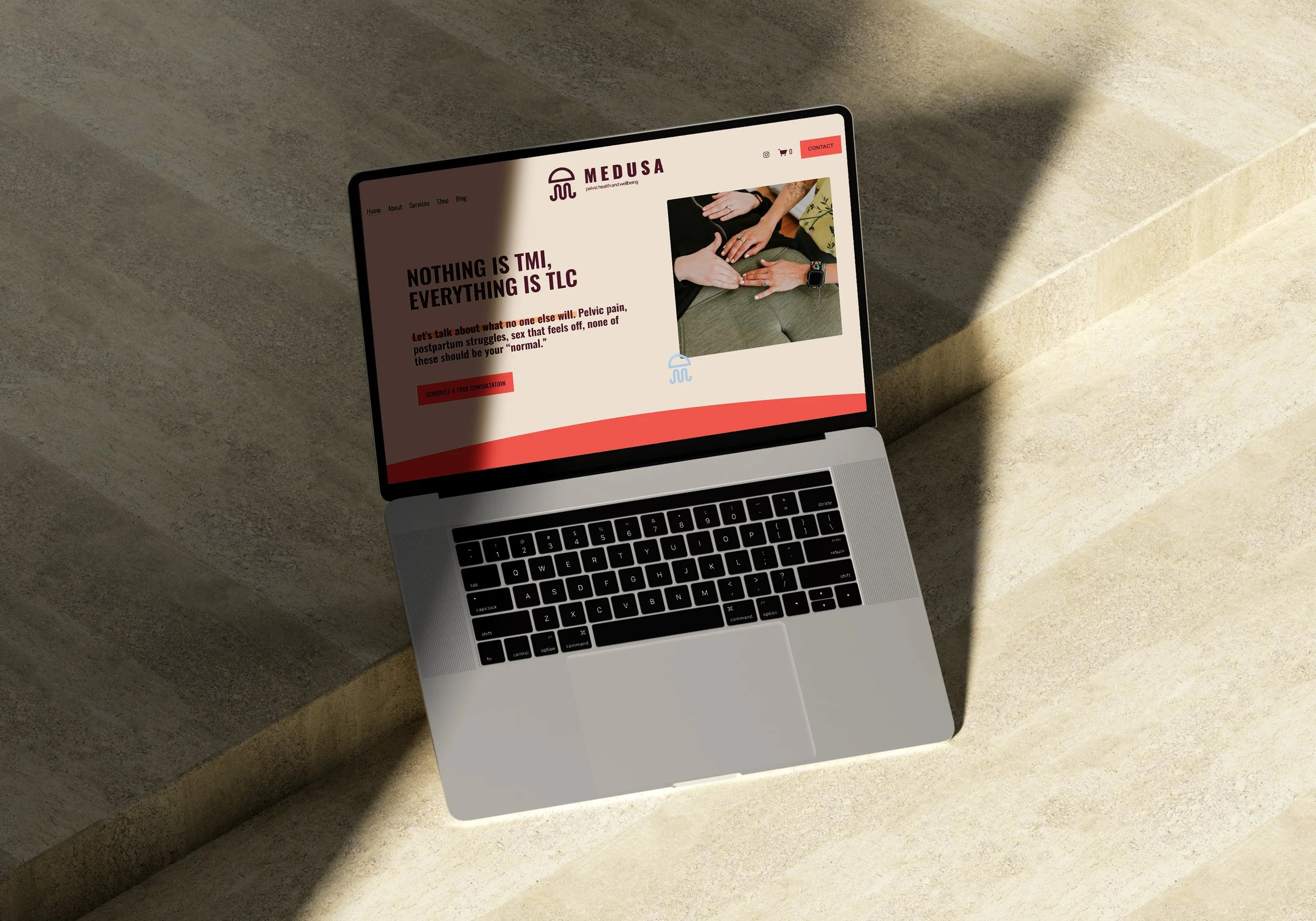
TLDR: Healthcare branding can communicate expertise without feeling cold or overly clinical. From your messaging and visual identity to photography and your website experience, thoughtful choices can make your practice feel more approachable, recognizable, and connected to the people you serve.
Running a healthcare business comes with a tricky branding job. You need people to trust that you know exactly what you're doing, but you also want them to feel comfortable enough to actually walk through the door. A thoughtful healthcare branding strategy can help you do both by communicating your expertise while giving patients a better sense of the people and experience behind the practice.
The Importance of a More “Human” Healthcare Brand
Healthcare professionals spend years building expertise, and that credibility absolutely matters. But when someone is looking for a new doctor, specialist, wellness provider, or healthcare practice, qualifications aren't the only thing they're paying attention to. They're also asking themselves, Do I feel comfortable here? Will they understand what I need? Can I trust these people with my care?
Making your healthcare practice feel more human helps bridge that gap between professional expertise and patient connection. It also gives your practice an opportunity to be remembered in an industry with its fair share of blue logos, sterile stock photos, and very serious websites. There is nothing inherently wrong with any of those things, but your brand can communicate trust without looking exactly like the practice down the street.
8 Ways to Humanize Your Healthcare Brand
Humanizing a healthcare brand doesn't require throwing professionalism out the window. Often, it comes down to smaller choices that help people understand who you are, who you serve, and what they can expect from your practice.
Here are eight places we would start.
1. Speak Directly to Your Patients
Write like there is an actual person on the other side of the screen, because there is. Using words like "we," "our," and "you" can make healthcare messaging feel more conversational without losing credibility, while clear explanations help patients understand what they actually need to know. Instead of only explaining what a service is, think about the question someone probably has when they arrive on the page and answer that first.
2. Design With Your Actual Audience in Mind
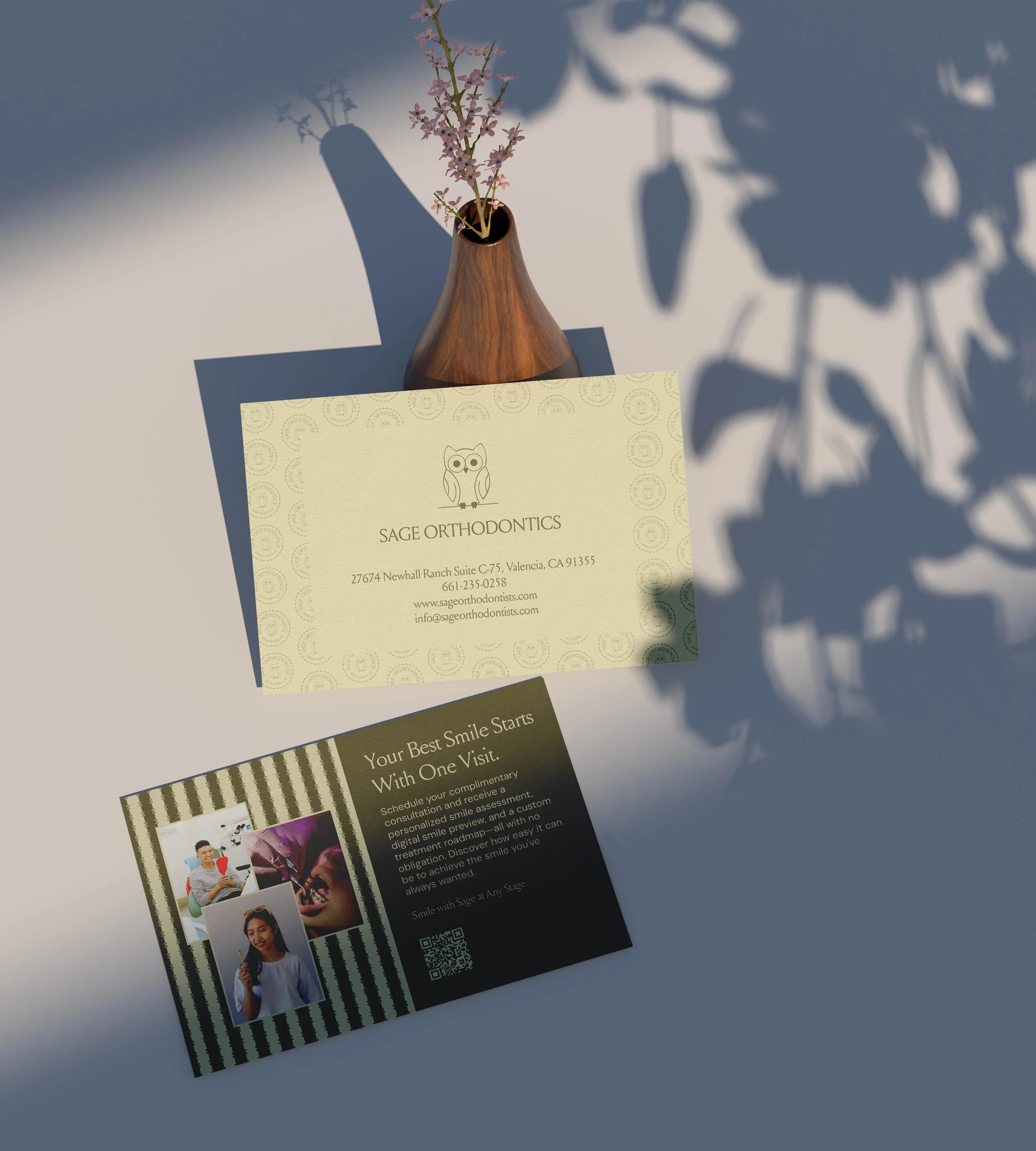
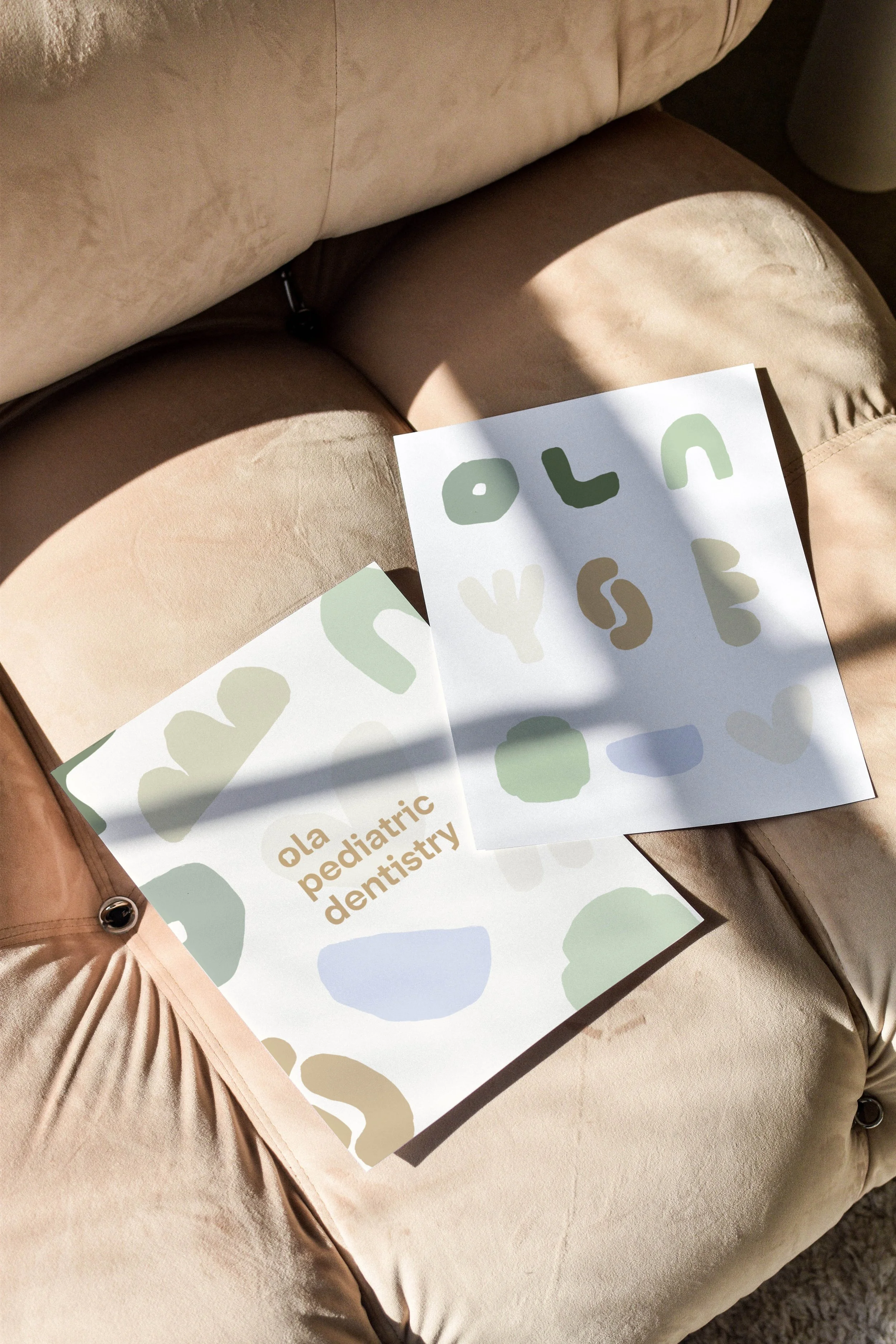
A healthcare brand doesn't need to appeal to everyone. It needs to connect with the people you're actually hoping to serve. Take two of our dental clients, Ola Pediatrics and Sage Orthodontics. Both work in dental care, but their brands have very different jobs to do. For Ola Pediatrics, we leaned into playful tooth- and growth-inspired details that speak to caring for kids as they grow. Sage Orthodontics, on the other hand, is centered around wisdom and expertise (hence, the owl) while serving families and teens with braces and Invisalign. Same industry, two completely different styles and purposes, because the people they serve are different.
3. Don't Be Afraid of Color
Blue has had a very successful career in healthcare branding. It doesn't need to be fired, but it also doesn't need every job. Color can communicate warmth, energy, calm, confidence, or playfulness. So instead of asking which colors look "medical," consider which ones make sense for your practice and audience. A pediatric brand might have room for brighter colors, while another specialty may call for something softer or more refined. Trust isn't tied to one color palette.
4. Bring in Custom Illustrations and Visual Details
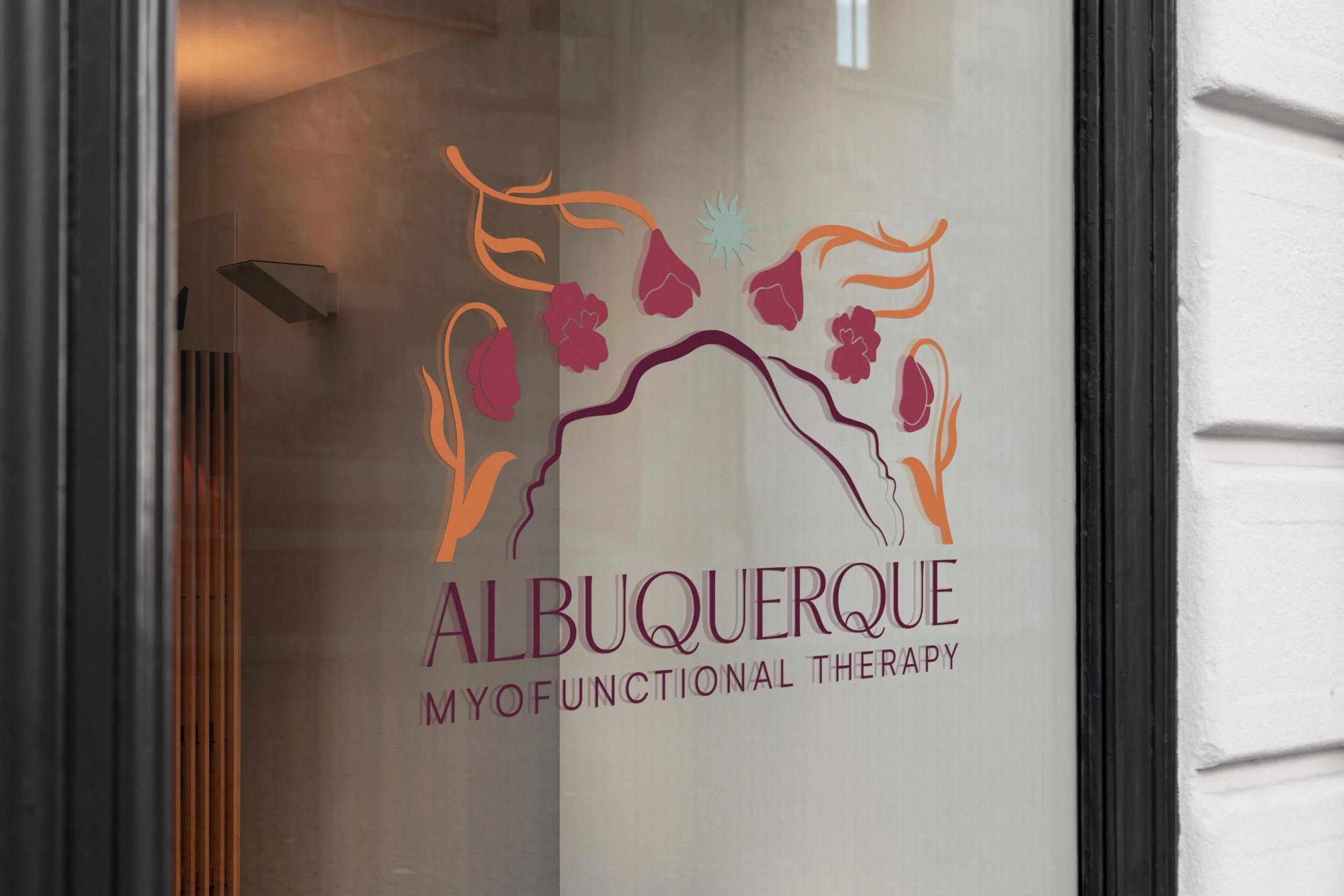
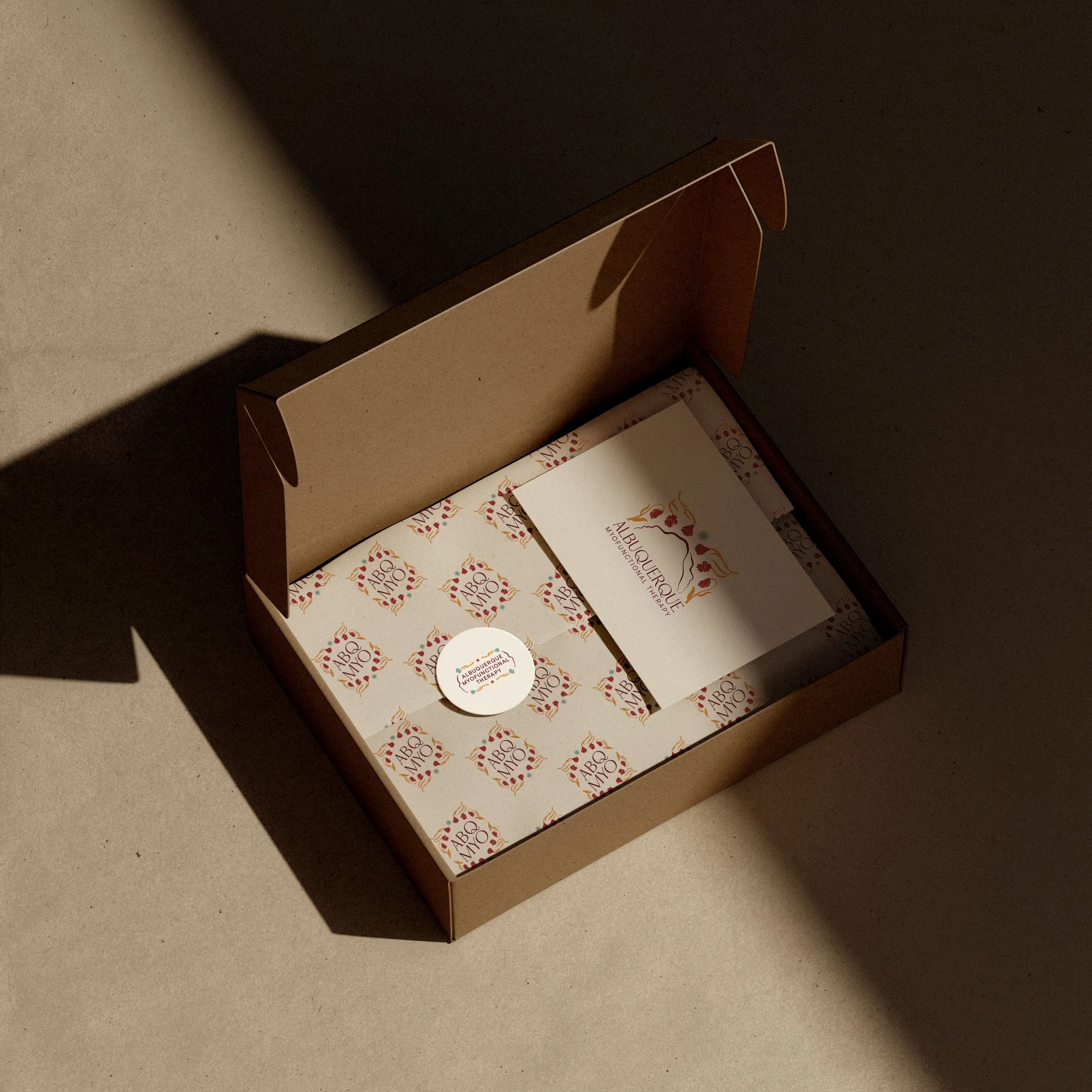
Custom illustrations, icons, patterns, textures, and other visual details can make a healthcare brand feel more personal and recognizably its own. They can also do some practical work by breaking up information, guiding visitors through a website, or making educational content easier to take in. We especially love when these details pull from something meaningful to the business rather than being added simply for decoration. Sometimes the element people remember most isn't the logo at all.
5. Show the Real People Behind the Practice
If someone is deciding who to trust with their health, seeing the actual people they'll meet can make the experience feel much more tangible. Professional photos of your practitioners, team, space, and candid interactions give prospective patients a better idea of what to expect before they arrive. Stock photography has its place, but when you're trying to introduce the humans behind a healthcare practice, the smiling stranger in a lab coat can only do so much.

6. Make Healthcare Information Easy to Understand
Humanizing a brand isn't only about making it look warmer. Your health website should also make things easier for the person using it. Healthcare websites often need to explain services, treatments, credentials, insurance, appointment details, and unfamiliar terminology. Clear headings, thoughtful navigation, FAQs, and obvious calls to action can keep that information from becoming overwhelming. Think about what someone needs to know first, then give them a clear path to the rest.
You can see this in action through our client, Pink Mountain Medicine, and how we designed their website to make information easier to navigate and understand.
7. Let Some Personality Into Your Brand
Professional doesn't have to mean personality-free. Personality can show up through a headline that sounds like something your team would actually say, an expressive typeface, thoughtful button copy, photography direction, illustrations, or small visual moments throughout the brand. It doesn't need to be loud either. Start with how you want patients to feel around your team, then let that guide how much personality belongs in the experience.
8. Create a Consistent Experience From First Click to Appointment
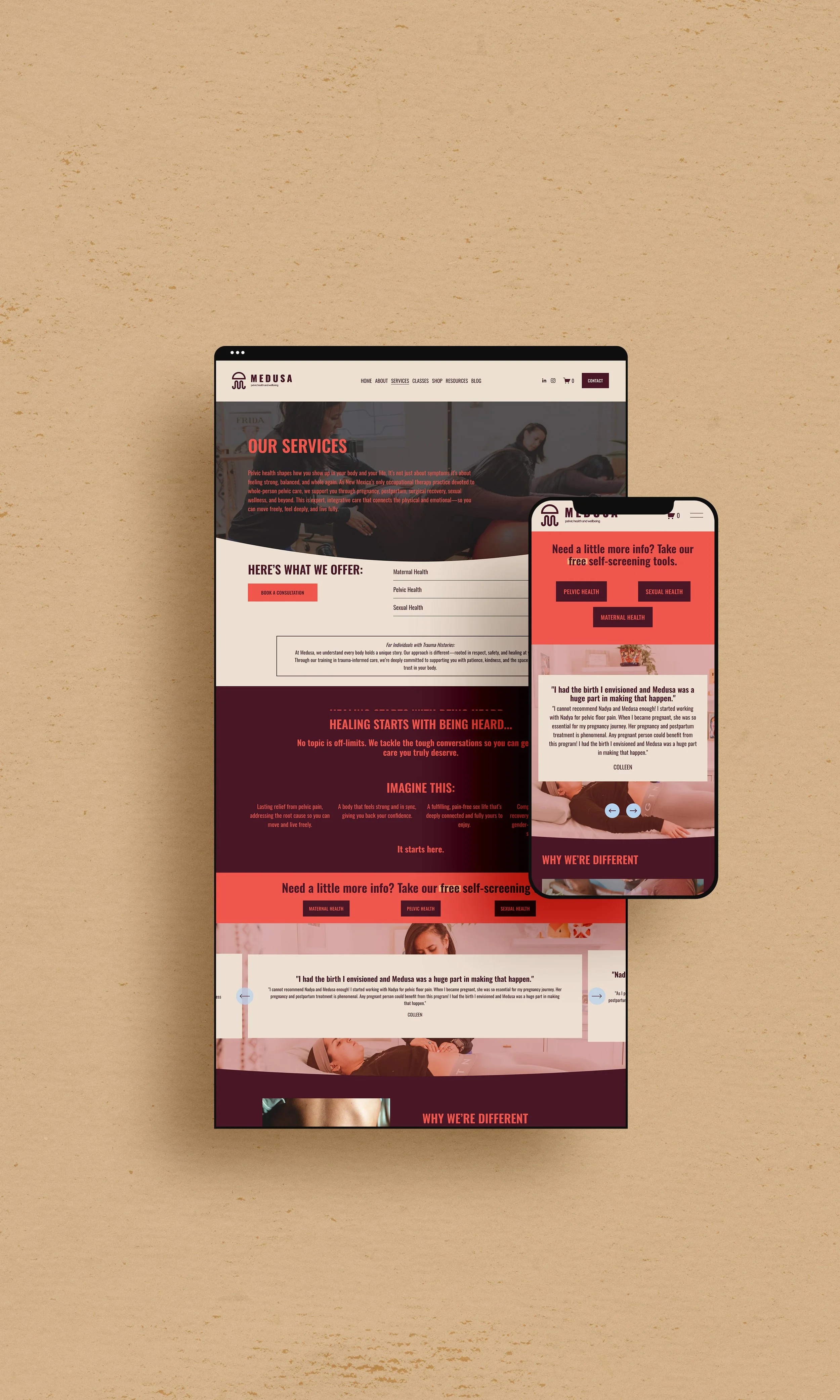
Patients experience your brand across more than one touchpoint, so those interactions should feel like they're coming from the same practice. Someone might find you through Google, visit your website, scroll through Instagram, book an appointment, receive an email, and eventually walk into your office.
Keeping your messaging, visuals, photography, and overall tone consistent makes the experience feel more familiar and gives patients a clearer idea of what to expect before they arrive. It also makes your healthcare business easier to recognize across search, social media, your website, and the other places patients may find you.
Finding the Balance Between Personality and Professionalism
Making your healthcare practice feel less clinical doesn't mean making it quirky just for the sake of standing out. Healthcare still requires credibility, clarity, and reassurance, but there's plenty of room for personality within that. How much depends on your specialty and the people you serve. A pediatric dentist, for example, has a little more room to play than a surgical specialist.
The key is making those creative choices with a reason behind them. Your audience, specialty, values, and patient experience should guide the direction first. From there, color, typography, photography, messaging, and other details can give your brand personality while still making it clear that yes, you know what you're doing.
How Do You Know When It's Time to Rebrand Your Healthcare Practice?
A rebrand may be worth considering when your current identity no longer reflects the practice you've built. Maybe you've added new services or providers, your audience has changed, or your original branding simply feels disconnected from the experience patients have with you today.
It doesn't always mean throwing everything away and starting from scratch. Sometimes the strongest parts of the existing brand can stay while the rest evolves with the business. If you're noticing that gap, these signs that it may be time to rebrand your business can help you figure out what needs to change and what might be worth keeping.
Frequently Asked Questions
Can a healthcare brand feel approachable and still be professional?
Absolutely. Approachability can come through clear language, thoughtful photography, color, typography, and visual details, while credentials, expertise, and well-organized information reinforce professionalism. The goal isn't to make healthcare feel casual, but to remove some of the unnecessary distance between the practice and its patients.
Can healthcare brands build trust with patients?
Yes. Healthcare brands can support trust through clear communication, real photography, transparent information, consistent visuals, and an easy-to-use website. Your branding should give prospective patients a realistic sense of the practice and support the trust your team continues to build once they walk through the door.
How much personality should a healthcare brand have?
Enough that it feels like your practice rather than a generic version of your industry. How that personality shows up should depend on your specialty, audience, values, and patient experience, whether that means a little warmth and softness or something much more colorful and expressive.
How do you attract more patients to a healthcare practice?
Attracting new patients usually takes a combination of visibility and trust. Search, referrals, social media, local marketing, and other channels can help people discover your practice, while clear messaging, strong branding, reviews, useful information, and an easy booking experience can help them feel confident choosing you.
Build a Healthcare Branding Strategy People Can Connect With
Your expertise may be what keeps patients coming back, but your brand is often one of their first introductions to your practice. It should give them a clear sense of what you do, who you are, and what it might actually feel like to work with your team.
At Saltd Studio, we bring branding, website design, SEO strategy, and social media together to help healthcare businesses build a presence that feels professional without losing the personality behind it. If your current brand feels a little too generic, too clinical, or simply no longer reflects the practice you've built, let's talk about what comes next.
Key Takeaways
Healthcare branding can communicate expertise without defaulting to a cold or overly clinical look.
Design around your actual patients rather than a generic idea of what healthcare should look like.
Clear messaging, real photography, color, and custom details can make your practice more approachable and memorable.
Your website should make healthcare information easier to understand and act on.
Consistency across your website, search, social media, and in-person experience helps patients recognize your practice and know what to expect.