
For Healthcare Practices That Refuse to Feel Interchangeable With Every Other Office Nearby
We’ll build a distinctive brand, strategic website, and growth-focused marketing strategy that helps you get found, build trust, and become the obvious choice.
Whether you're opening a new practice or building an established one, your marketing should help you reach the goals that actually matter: a healthier schedule, better-fit patients, stronger revenue, a standout reputation, and more confidence in what's coming next.


Endorsements of Proven Performance






Dentists
Chiropractors
Orthodontists
Med Spas
Orthopedics
Physical Therapists
Plastic Surgeons
Occupational Therapists
Optometrists
Dentists Chiropractors Orthodontists Med Spas Orthopedics Physical Therapists Plastic Surgeons Occupational Therapists Optometrists
The Saltd Approach
YOU'VE GOT THE credibility. WE HELP MAKE SURE THE RIGHT PEOPLE KNOW IT.
We make that happen in three stages.
01: Brand Design
BECOME THE PRACTICE PEOPLE TRUST
We create your complete visual identity, from your logo suite and color palette to custom patterns, icons, and one-of-a-kind brand elements, all designed around what makes your practice different, so every detail feels cohesive, memorable, and unmistakably yours.
02: Website Design
TURN INTEREST INTO CONFIDENCE
We build beautifully functional websites, from the messaging and page structure to unique design, mobile experience, and booking flow, all created from scratch for your practice (never pulled from a generic template) and thoughtfully designed to answer questions, ease hesitation, and turn more prospective patients into inquiries.
03: SEO + Paid Ads
GET FOUND ON GOOGLE AND DISCOVERED THROUGH PAID ADS
Referrals are great, but we know that predictability is even better. With the right foundation in place, ongoing SEO, AI visibility, and Google and Meta ads help your practice show up in more of the places patients are looking. Expand your reach where it matters and create a steadier path to new inquiries without relying so heavily on word of mouth.
-
01: Brand Design
BECOME THE PRACTICE PEOPLE TRUST
We create your complete visual identity, from your logo suite and color palette to custom patterns, icons, and one-of-a-kind brand elements, all designed around what makes your practice different, so every detail feels cohesive, memorable, and unmistakably yours.
-
02: Website Design
TURN INTEREST INTO CONFIDENCE
We build beautifully functional websites, from the messaging and page structure to unique design, mobile experience, and booking flow, all created from scratch for your practice (never pulled from a generic template) and thoughtfully designed to answer questions, ease hesitation, and turn more prospective patients into inquiries.
-
03: SEO + Paid Ads
GET FOUND ON GOOGLE AND DISCOVERED THROUGH PAID ADS
Referrals are great, but we know that predictability is even better. With the right foundation in place, ongoing SEO, AI visibility, and Google and Meta ads help your practice show up in more of the places patients are looking. Expand your reach where it matters and create a steadier path to new inquiries without relying so heavily on word of mouth.
Featured Work
DESIGNED TO TURN HEADS. STRATEGIZED TO SHIFT practices FORWARD.
A curated look at medical and healthcare practices we've helped transform through strategic branding, custom website design, and marketing built to help the right patients find and choose them.
-
![]()
Maven Dentistry
An illustrative digital experience helps this local dentist gain a memorable edge and boost website traffic by 92% YoY.
-
![]()
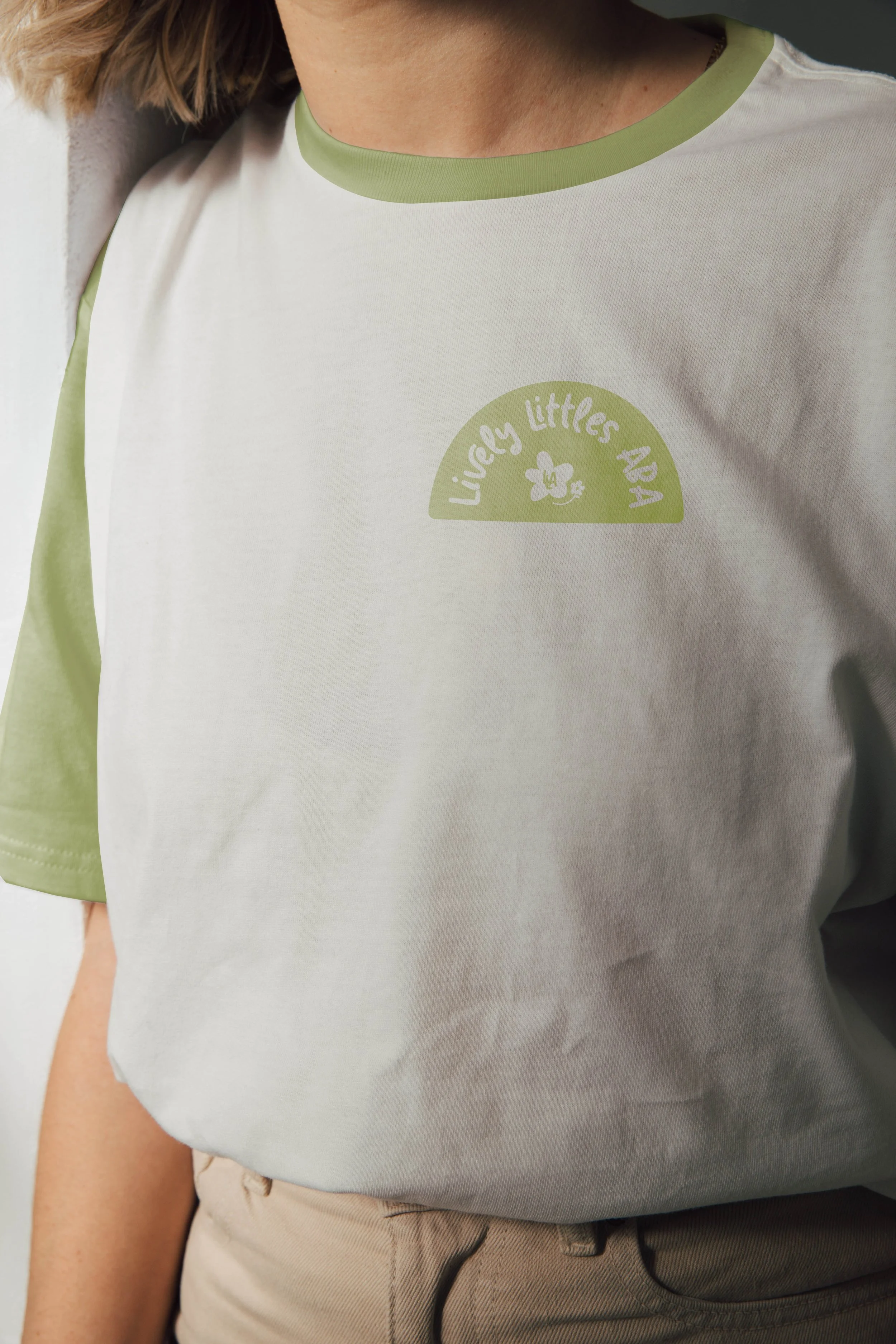
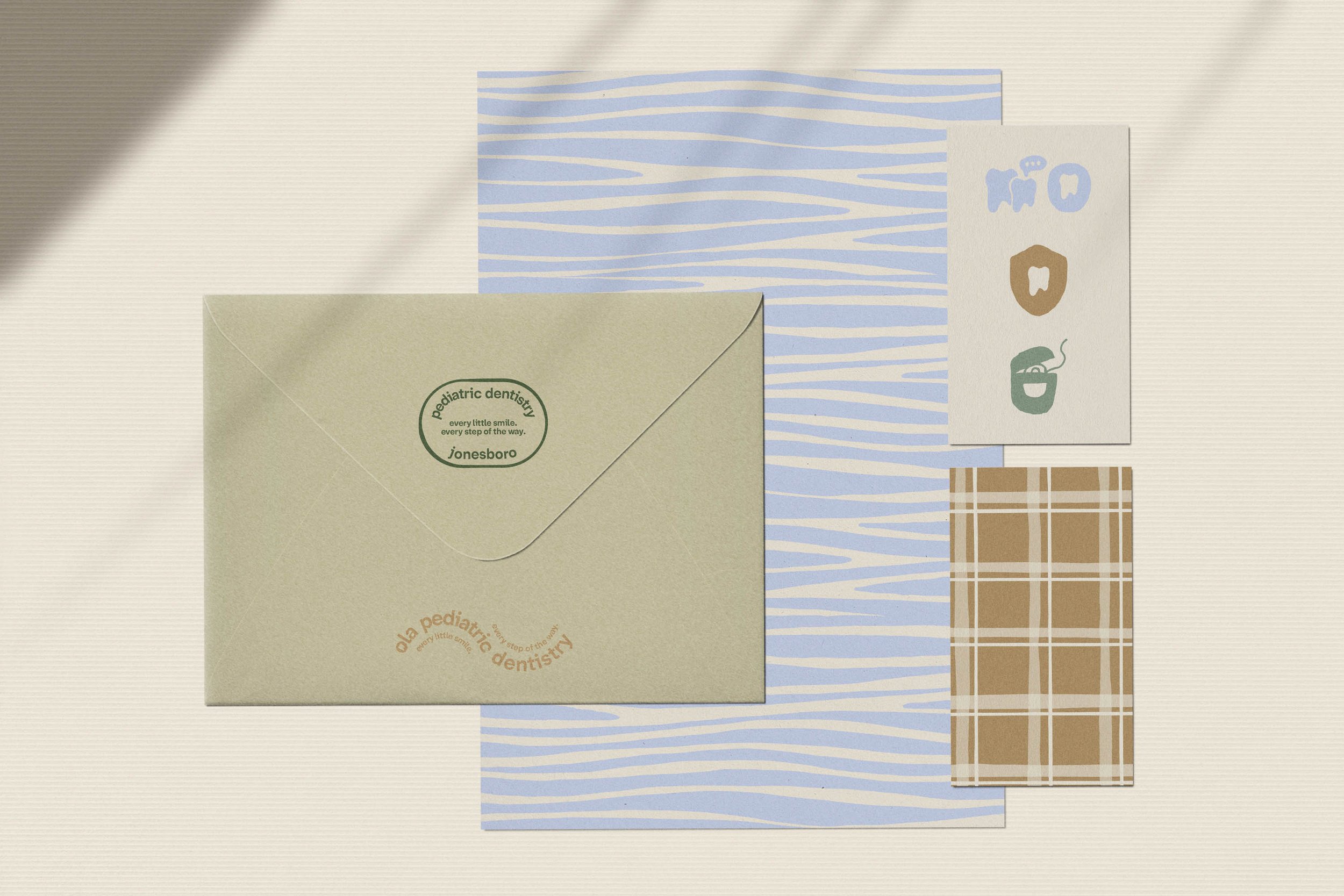
Ola Pediatric Dentistry
An Arkansas-based Pediatric Dentist gets ready to open their doors with a playful, grounded, and memorable brand experience.
-
![]()
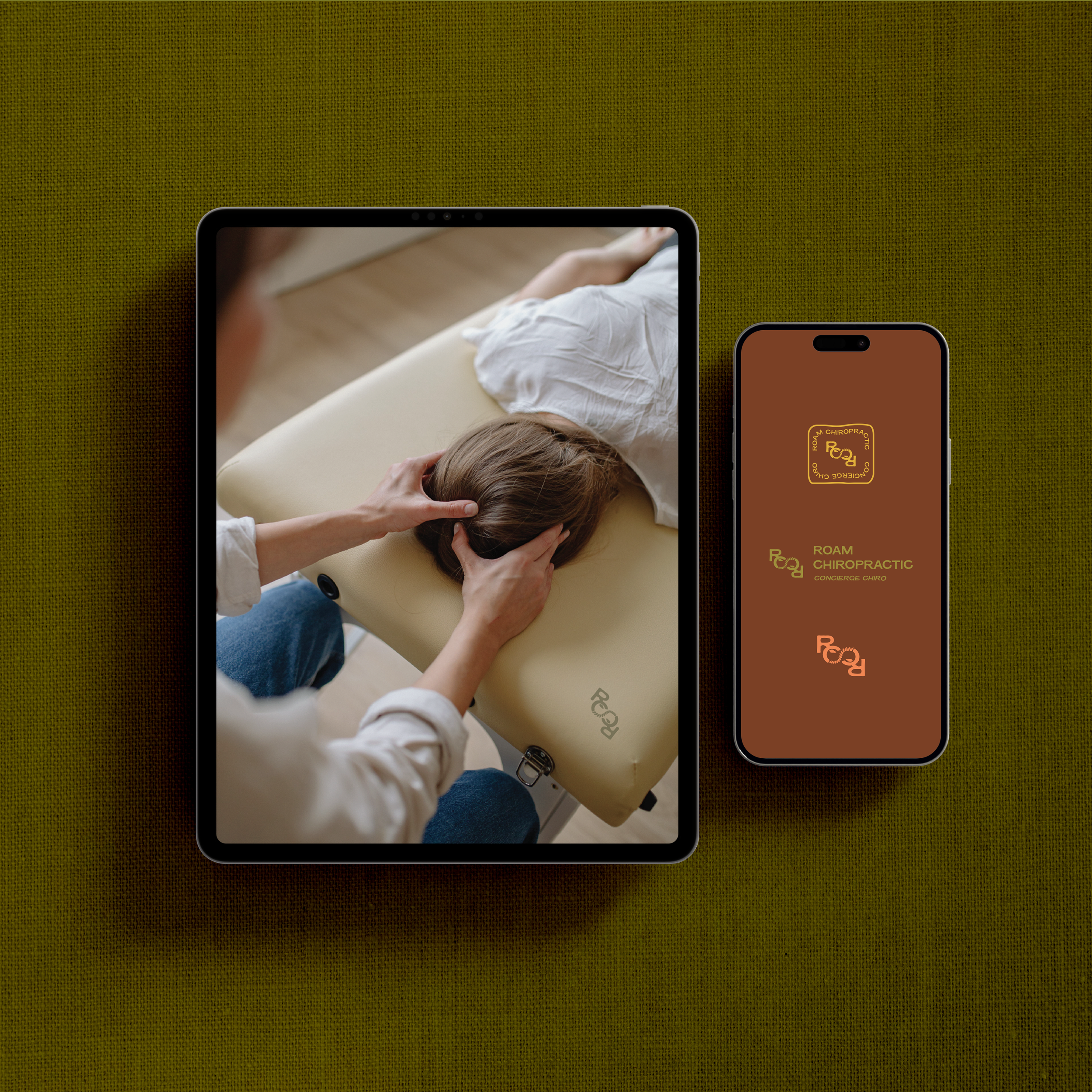
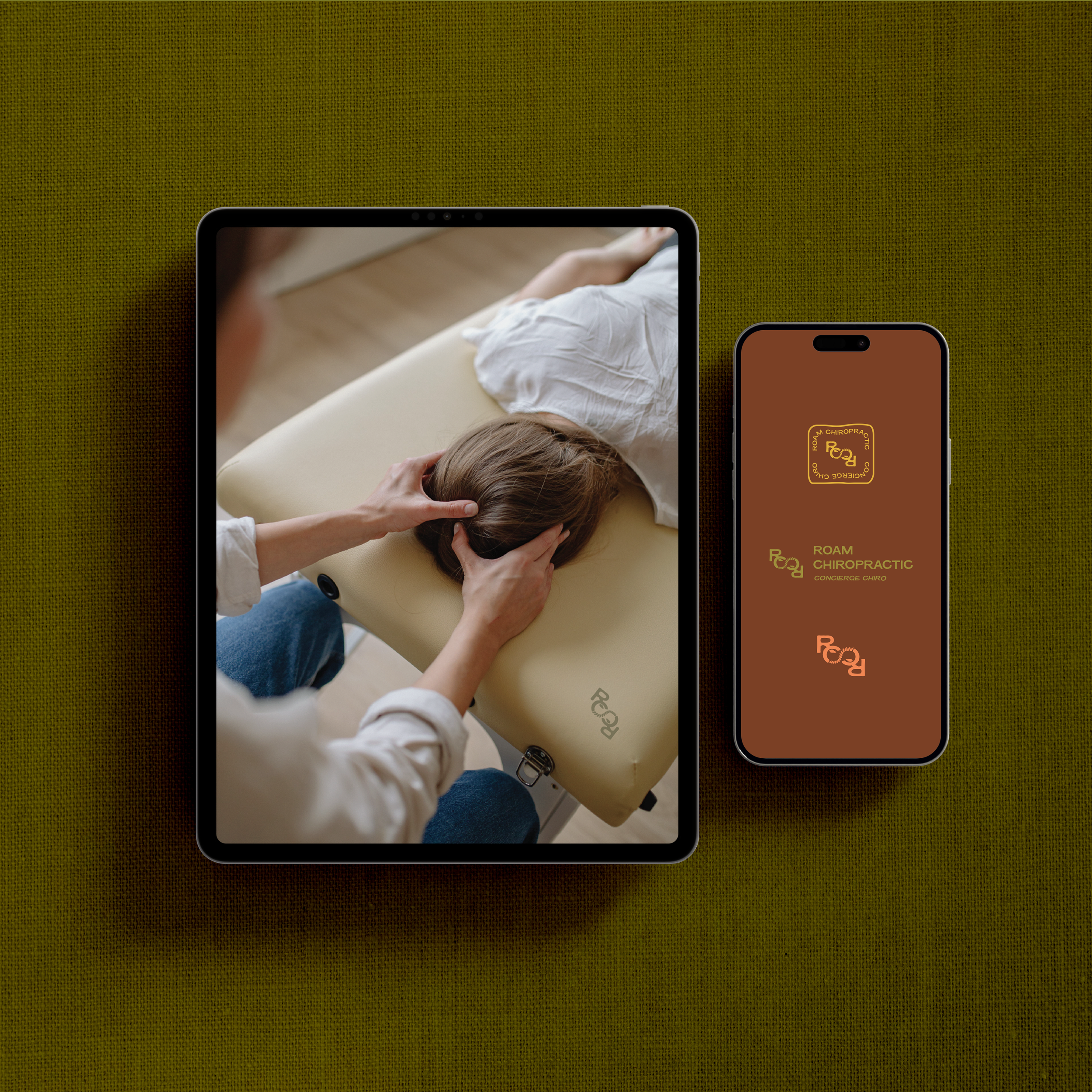
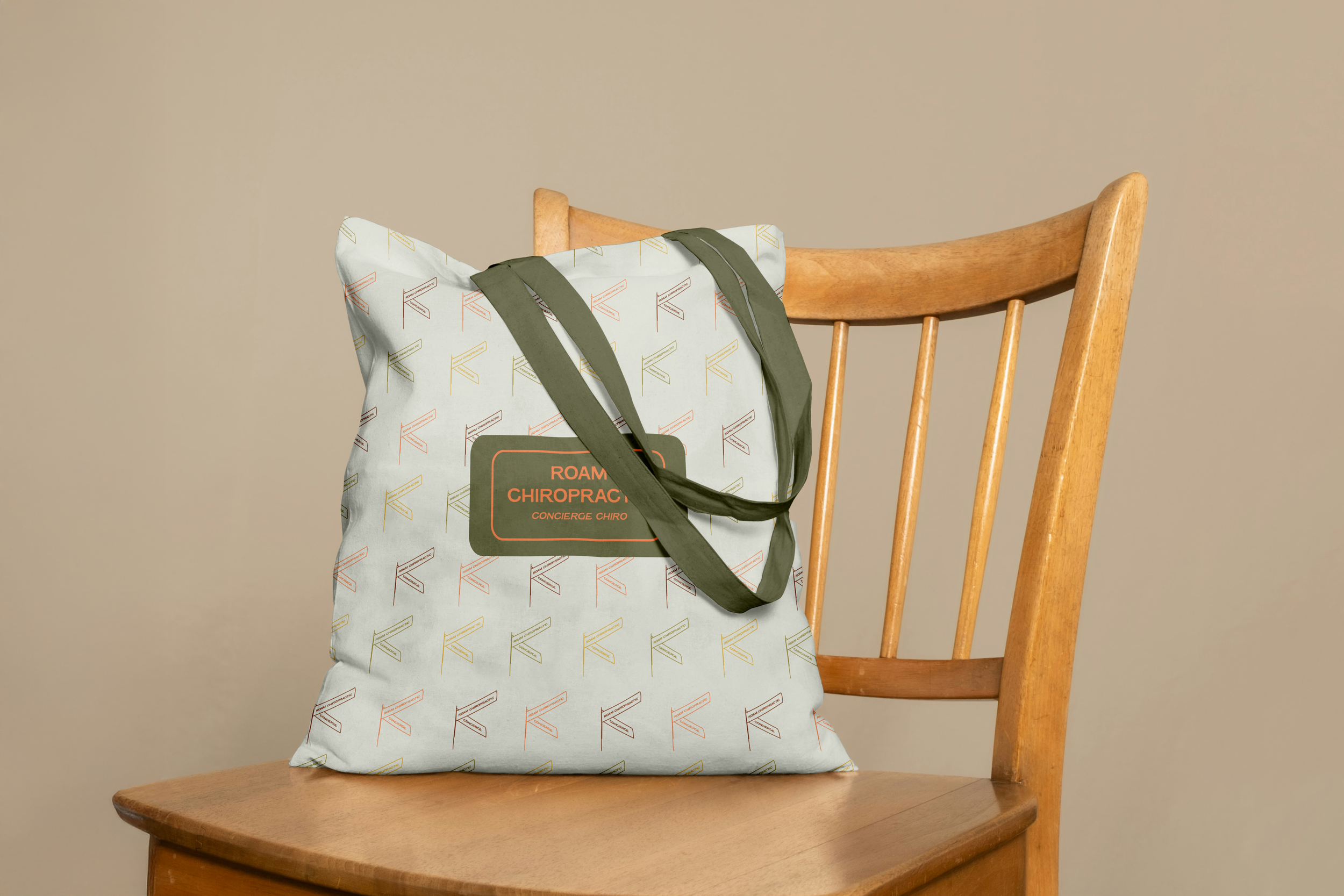
Roam Chiropractic
A nostalgic, wholesome brand for a concierge chiropractor bringing personal, approachable care right to her patients.
-
![]()
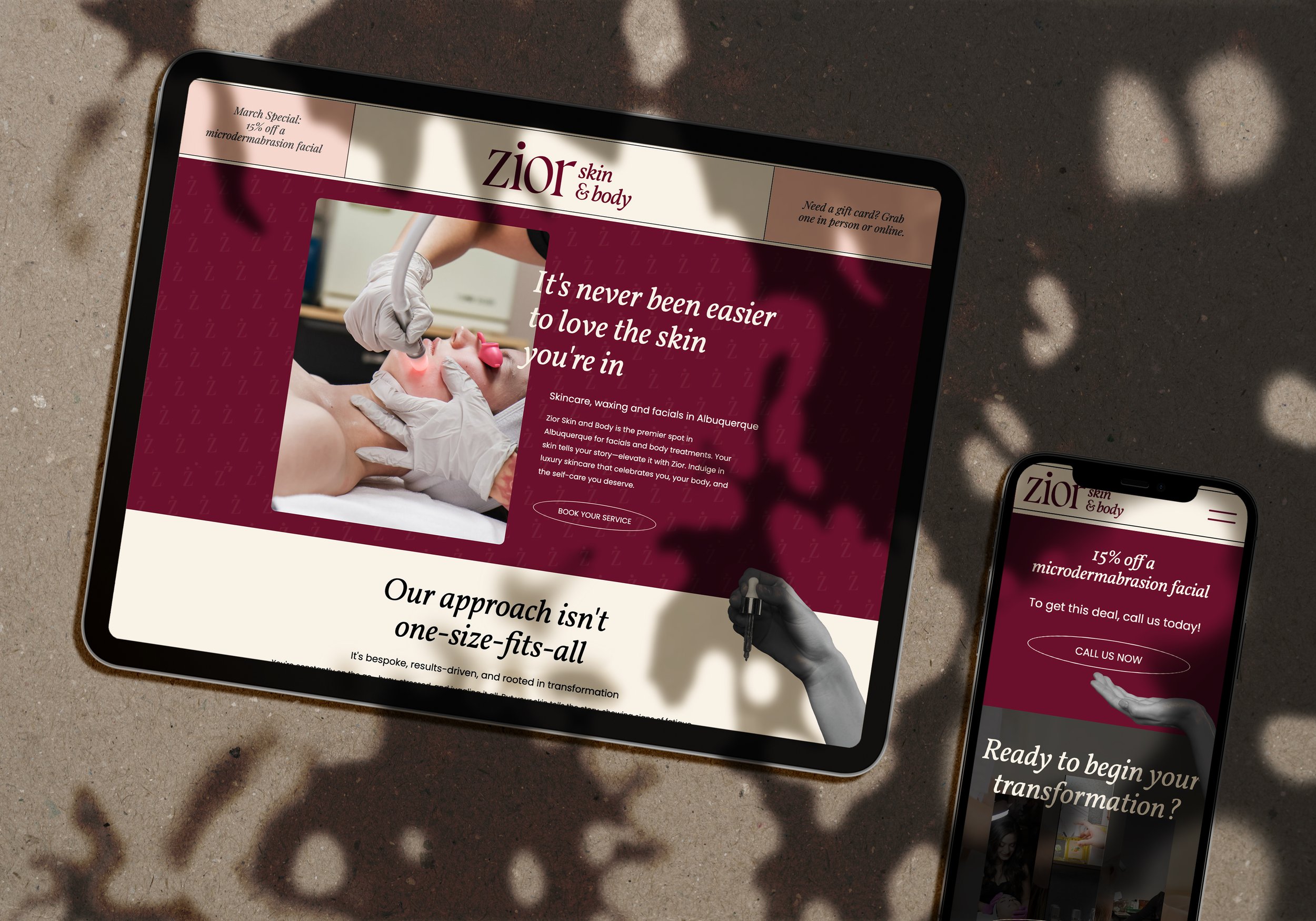
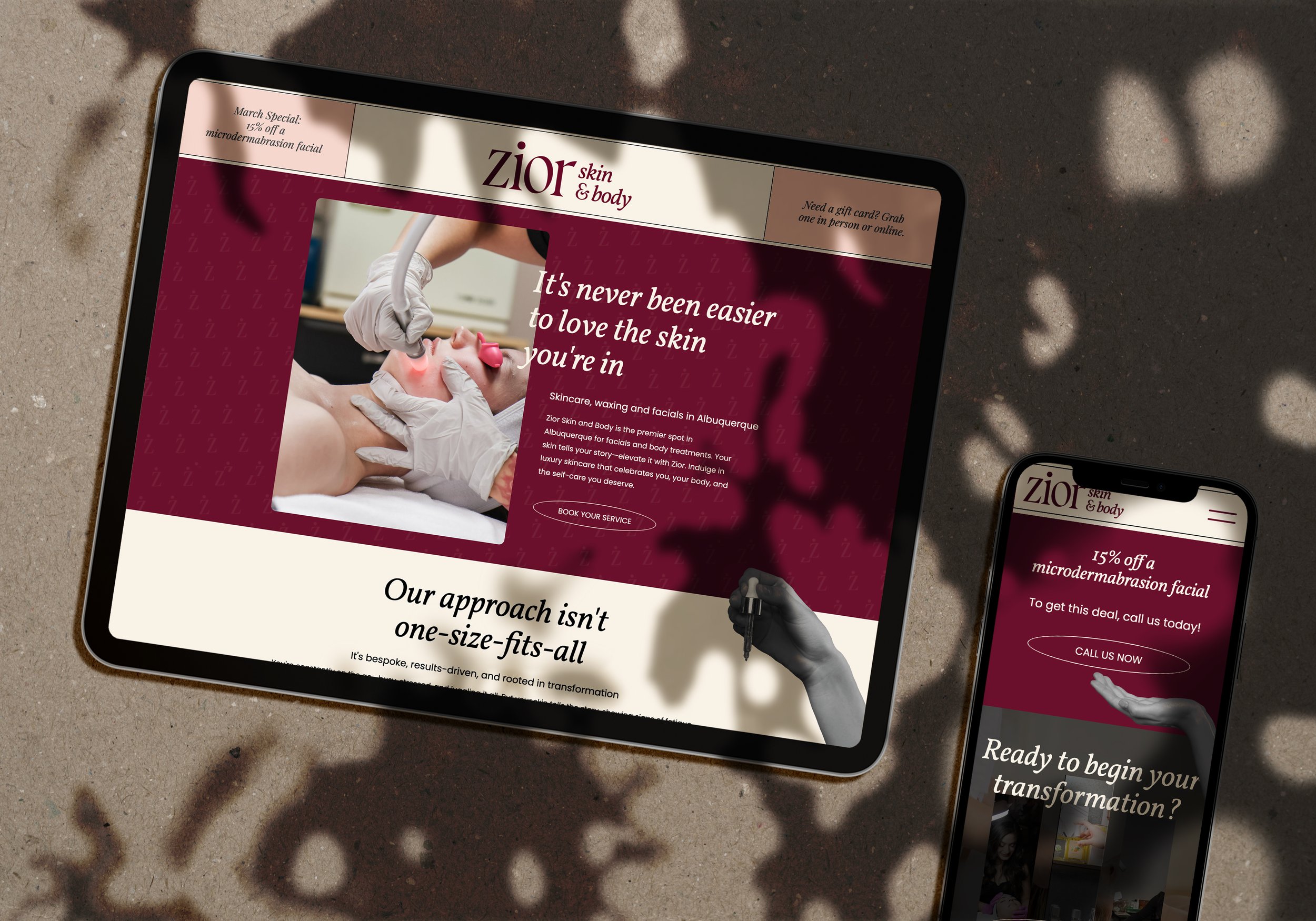
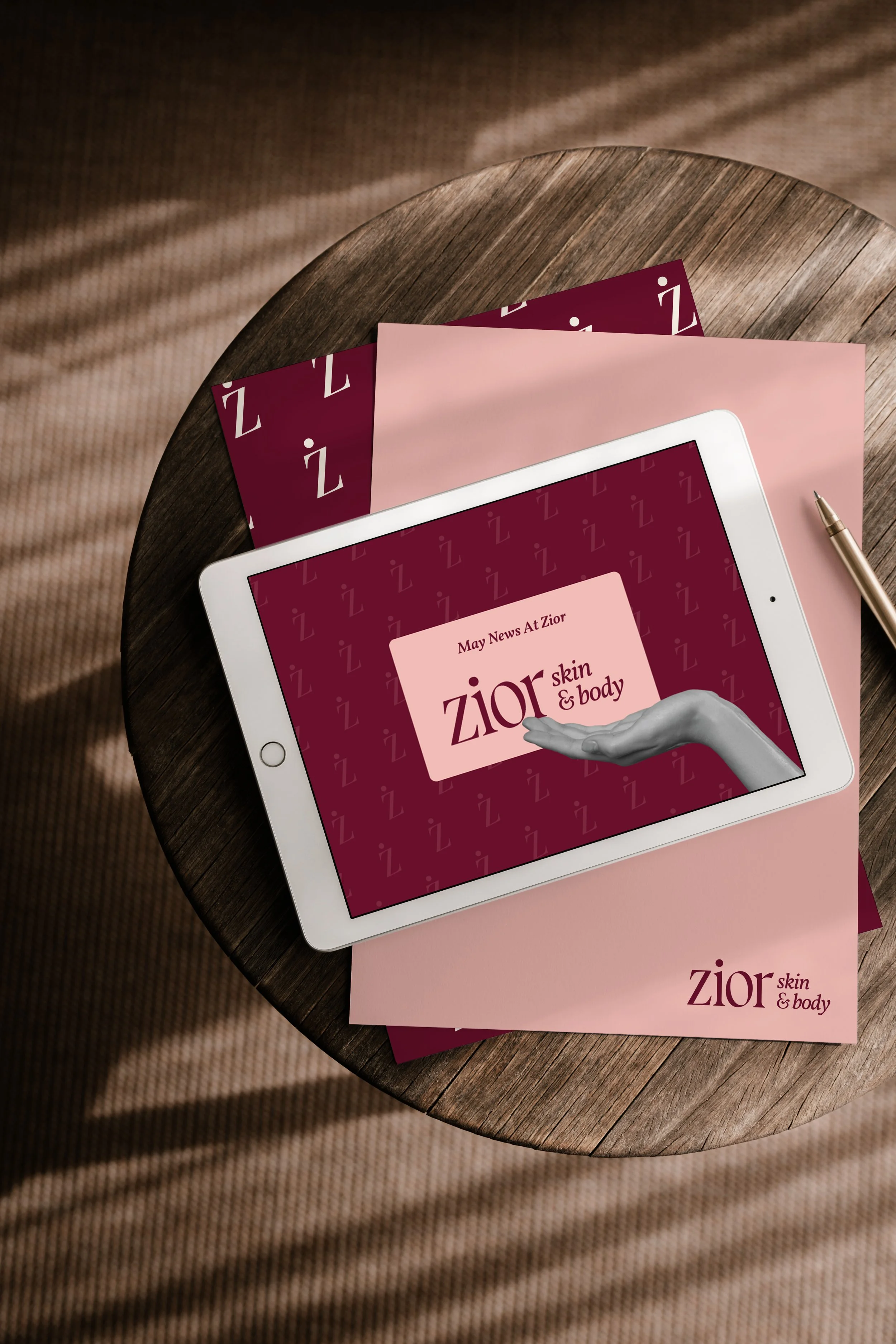
Zior Skin & Body
Helping this elegant, top-tier spa reach more guests and drive continued growth with 111% more Google visibility and strategic marketing that nurtures relationships and generates repeat revenue.
-
![]()
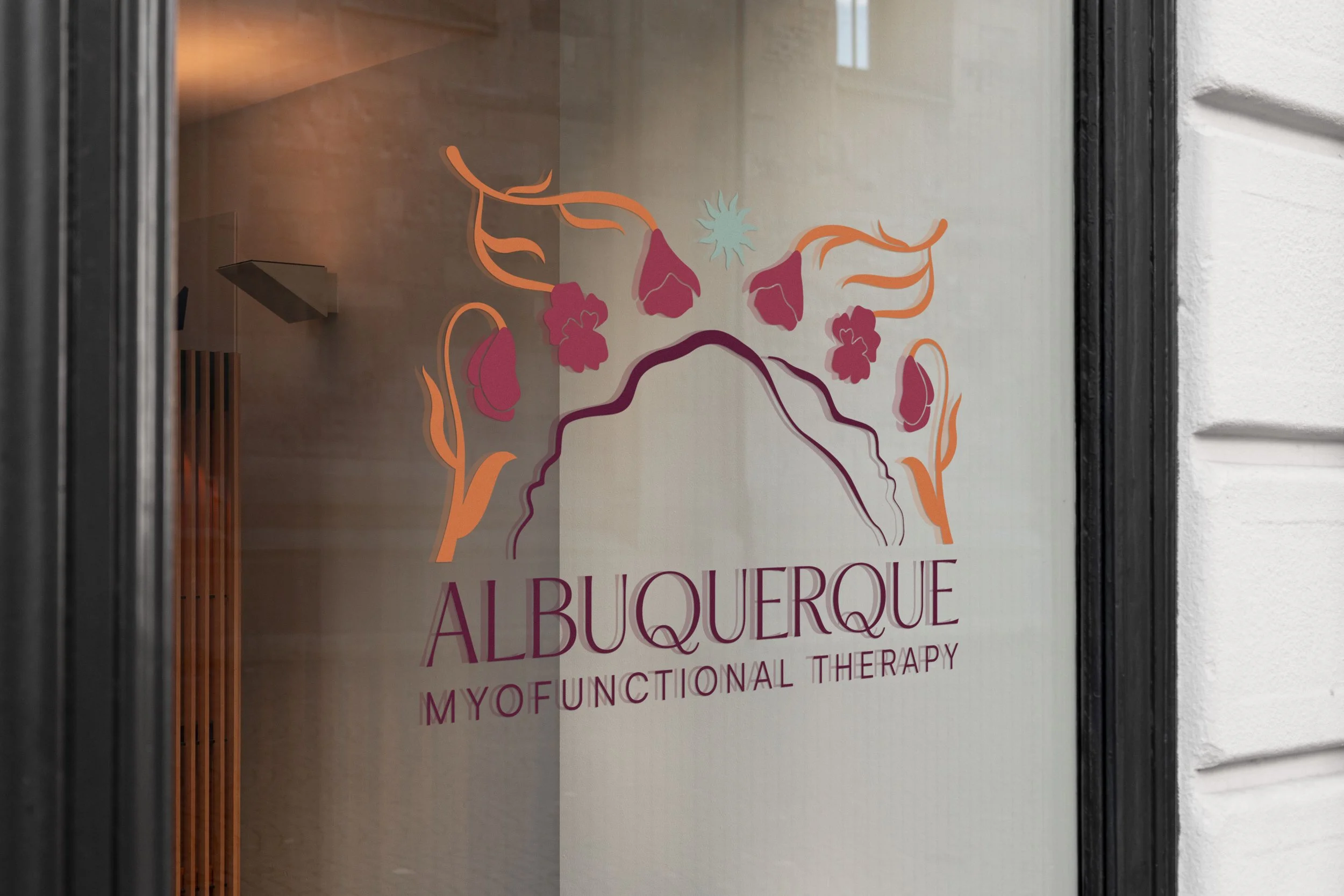
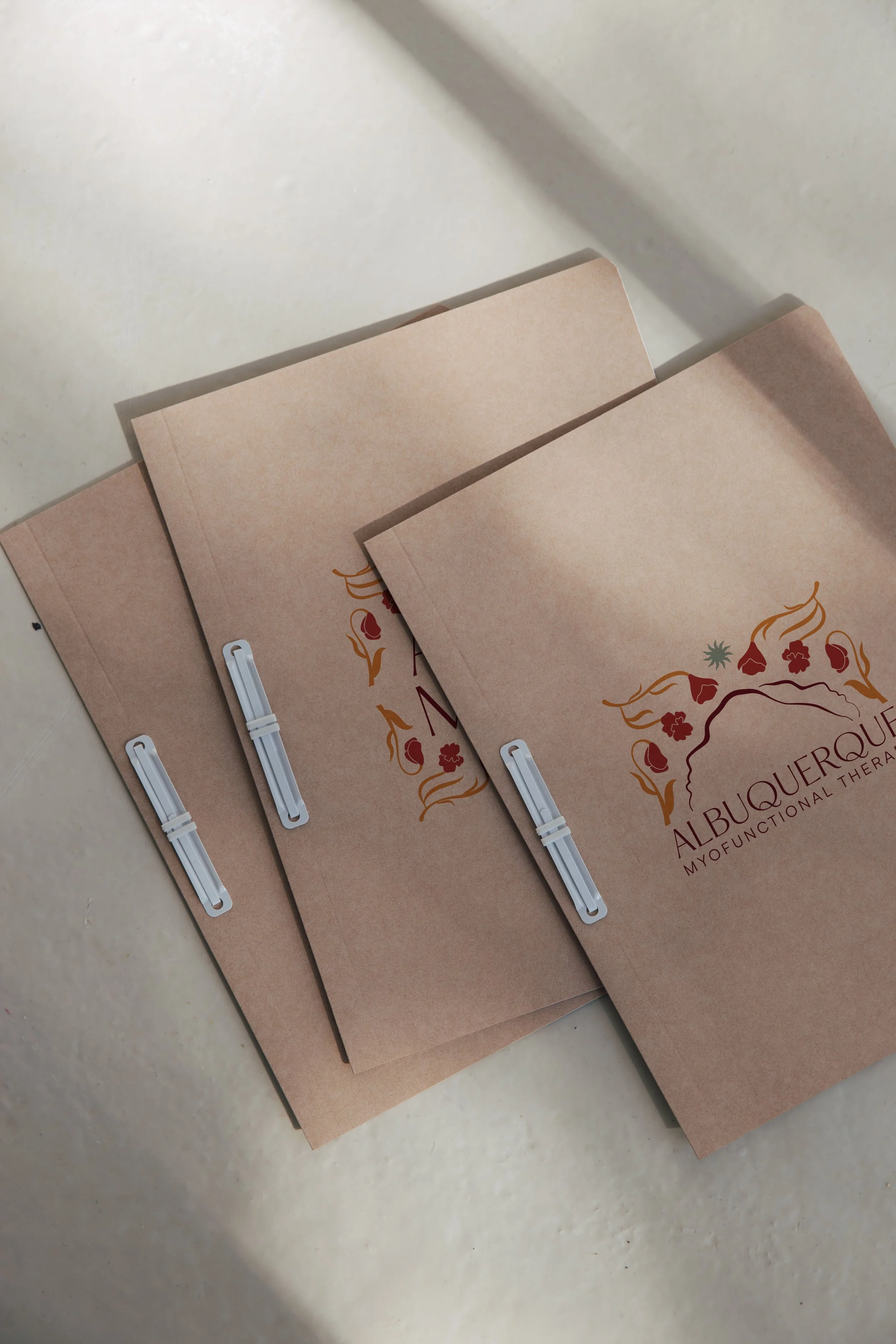
Albuquerque Myofunctional Therapy
This artful, Southwestern practice is building a stronger digital presence, with website traffic climbing month after month and visibility expanding across Google and AI search.
-
![]()
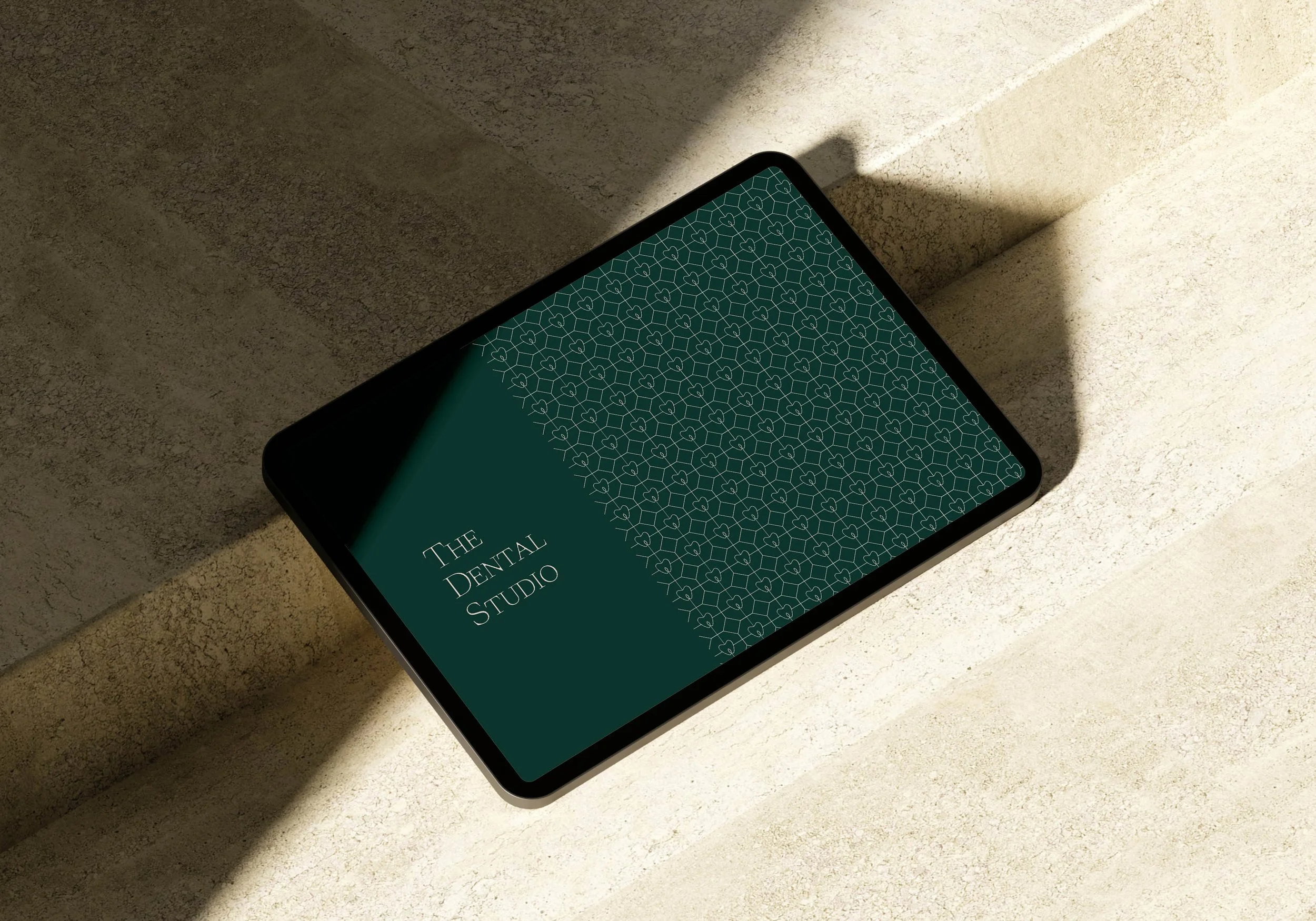
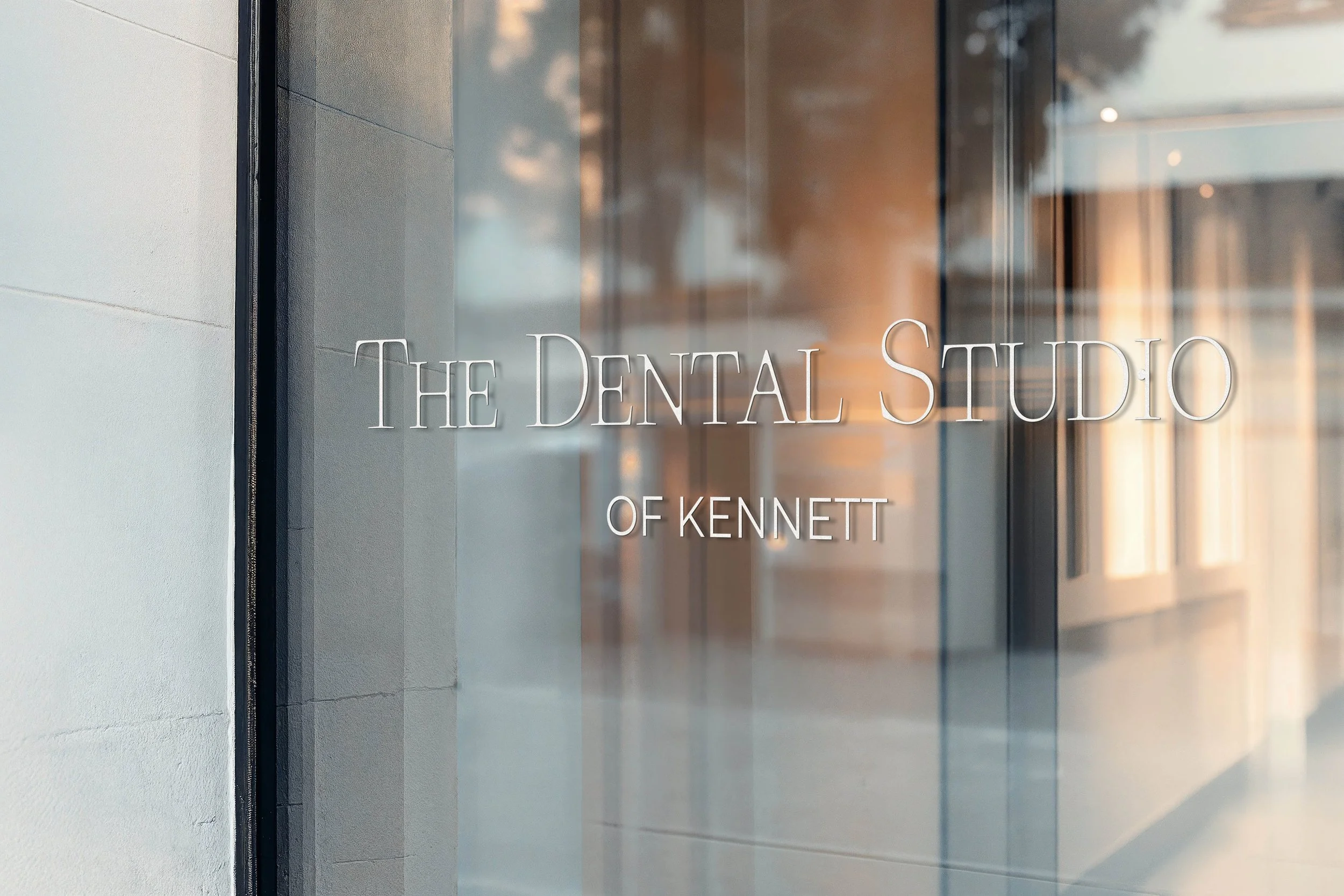
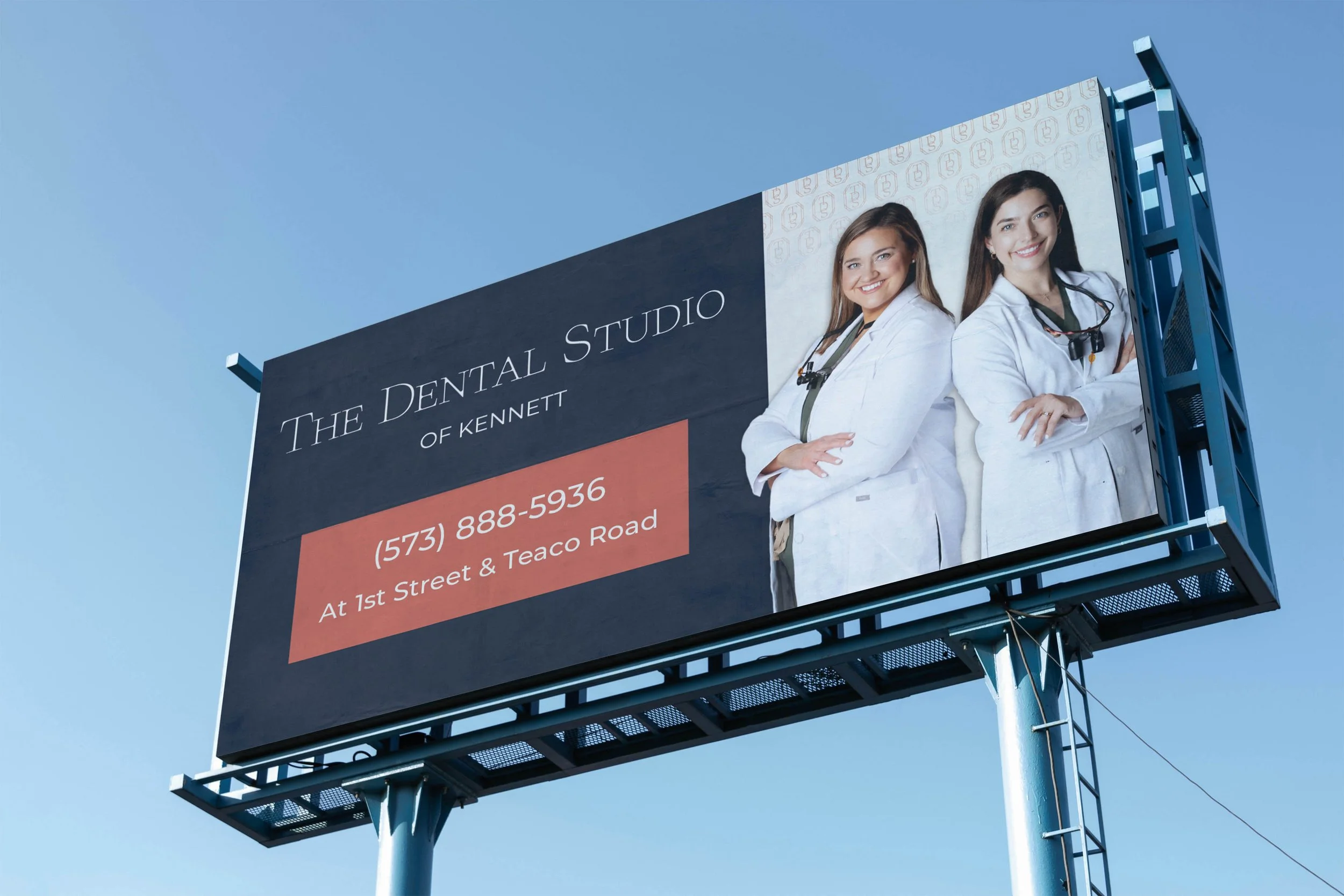
The Dental Studio of Kennett
An elevated custom brand and website for a high-end dental office with a hometown edge, already building visibility across search and AI before their opening day.
-
![]()
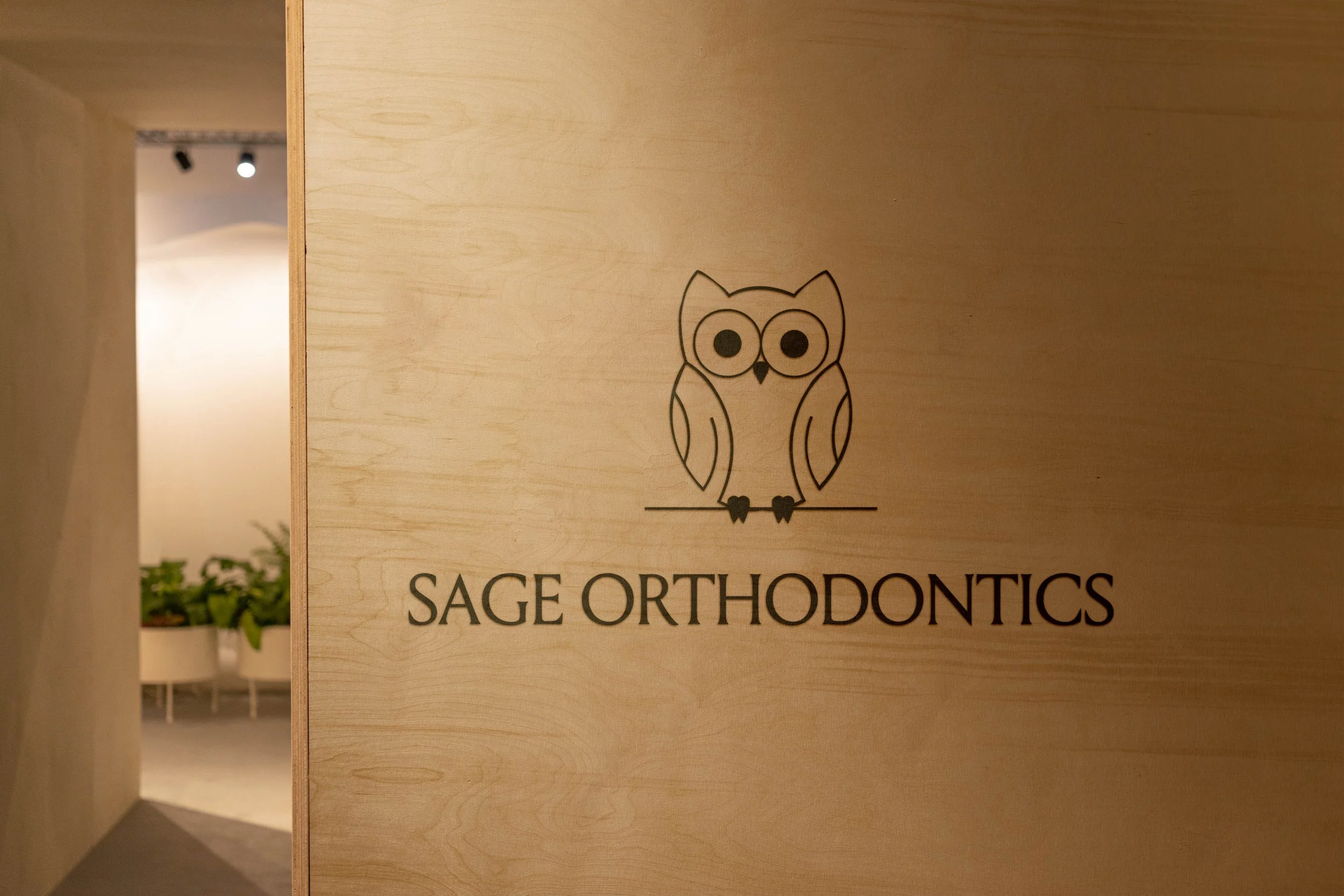
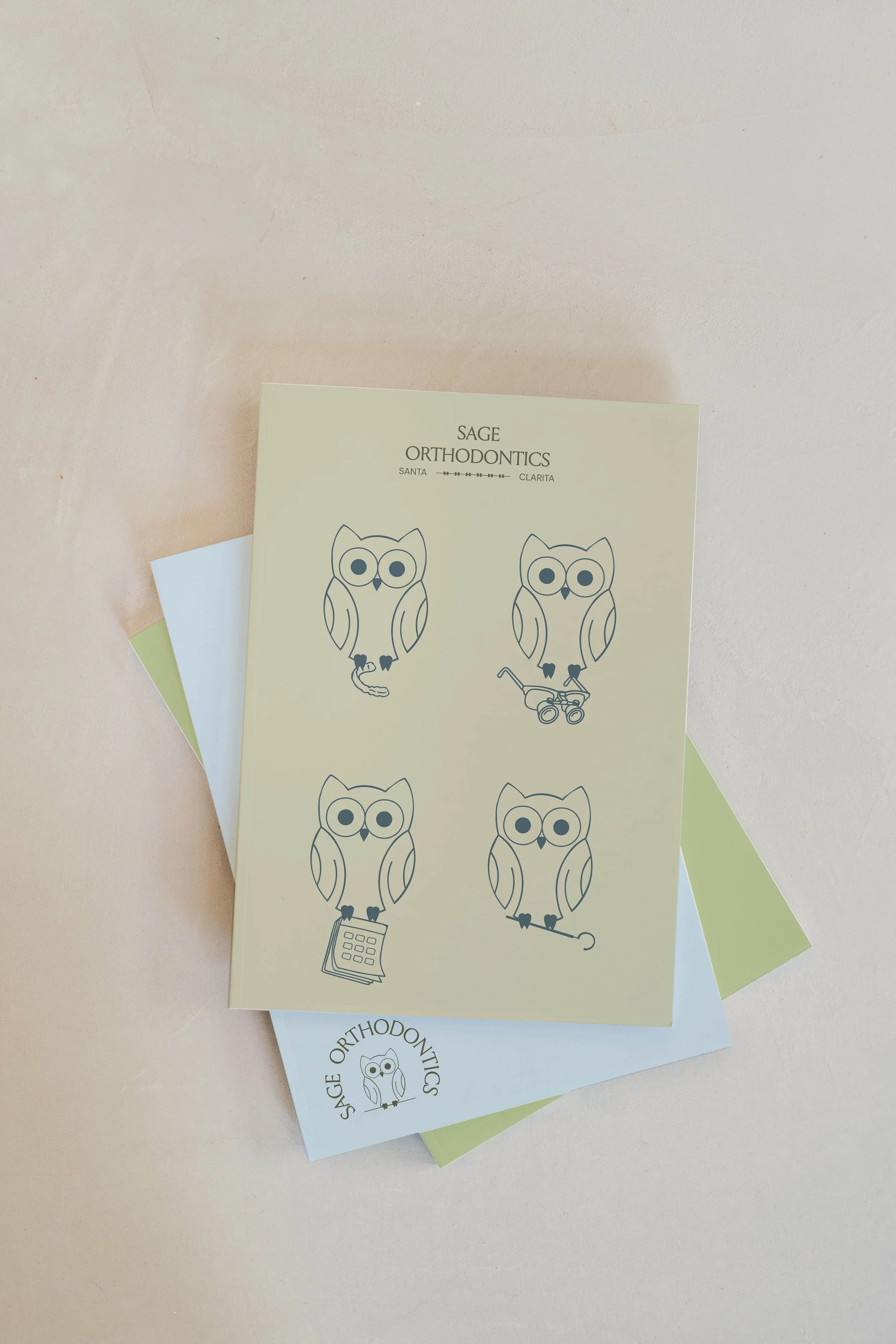
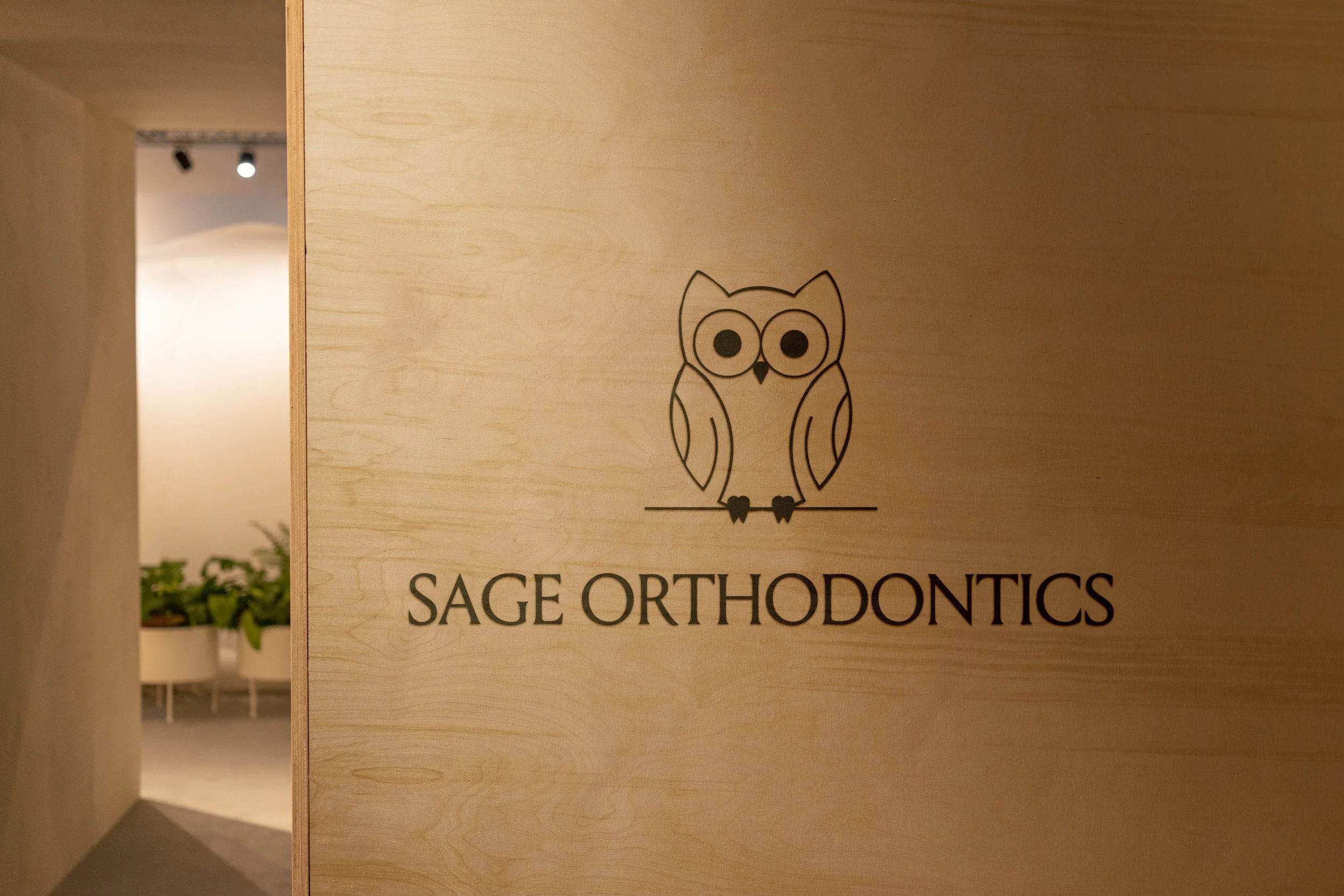
Sage Orthodontics
A unique custom brand for this California orthodontist, blending tooth-and-owl details with a polished identity that breaks from the dental norm.
-
![]()
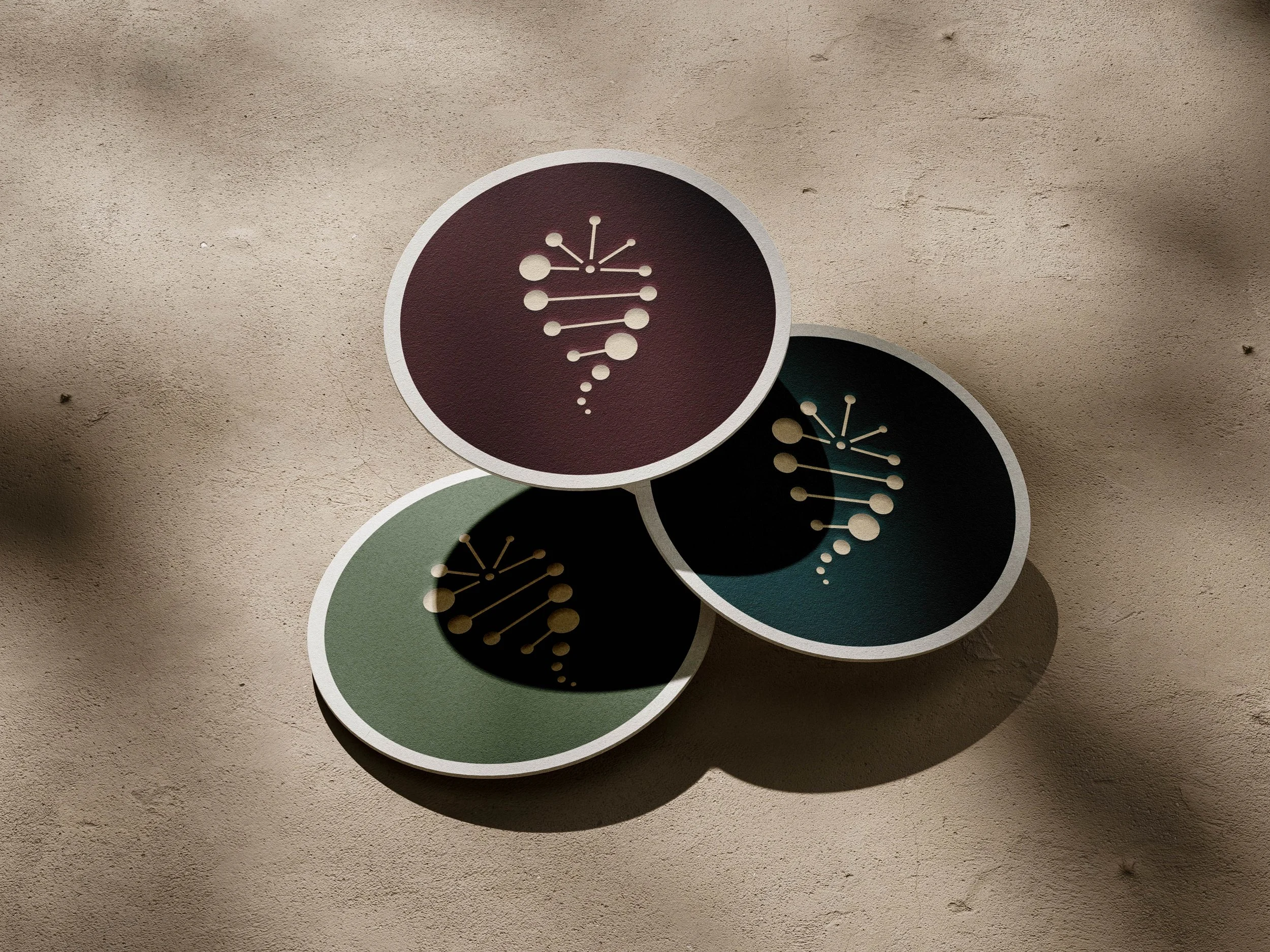
Tranquil Gardens
A moody, scientific, and medicinal brand design for a gene-first Cannabis company.
-
![]()
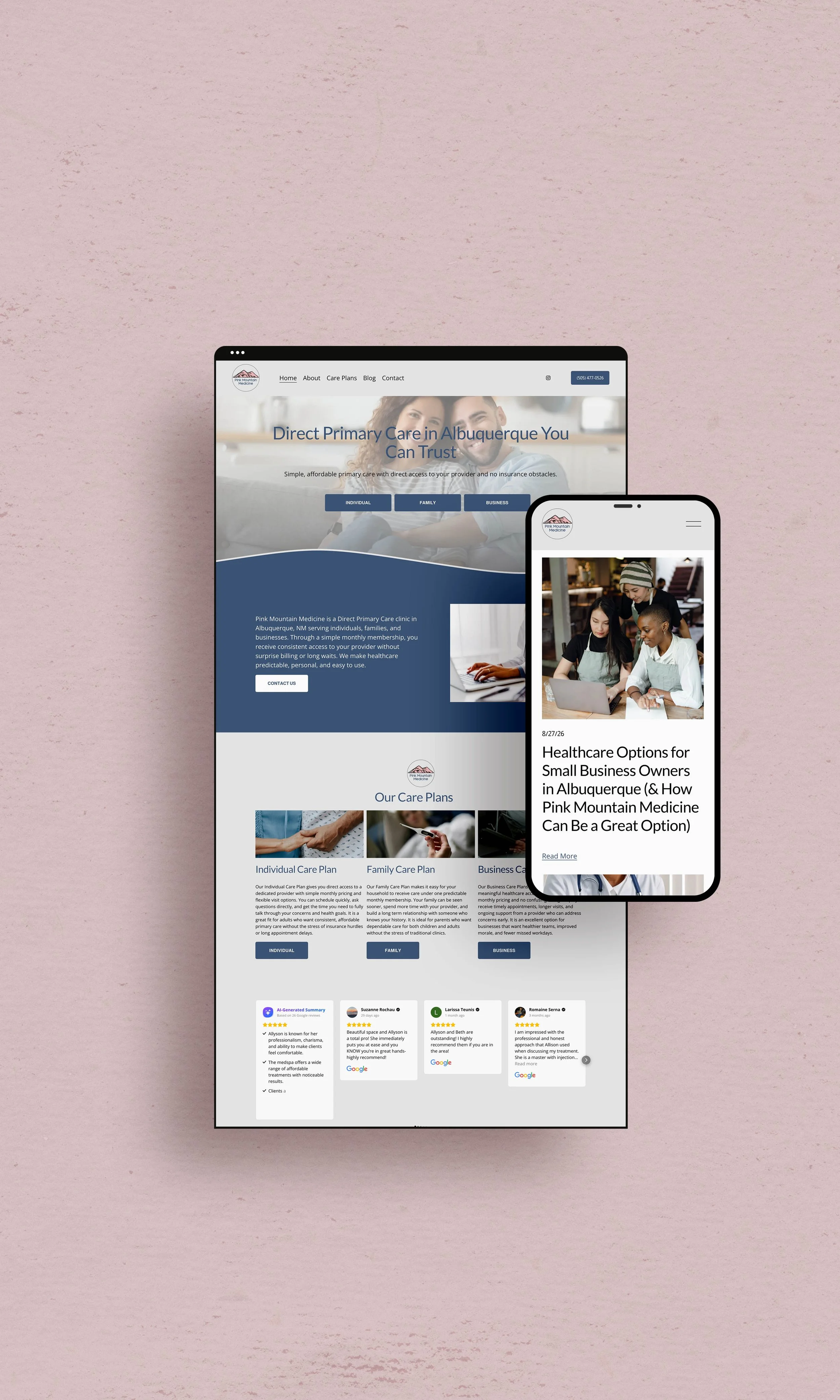
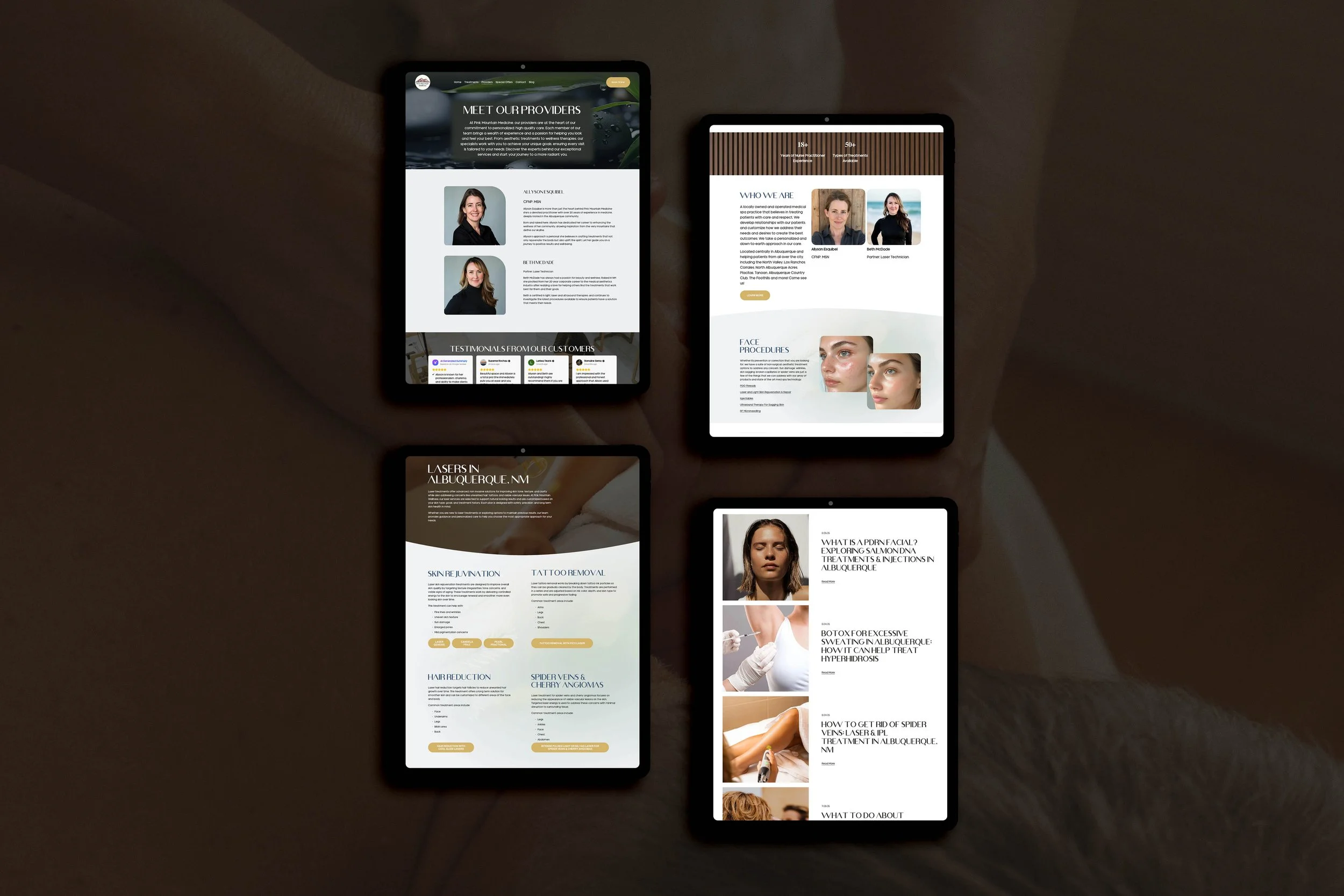
Pink Mountain Medicine
A direct primary care provider maintains top spots in search results while serving locals with excellent care.




About Us
Tap-In the Brains Behind Brands That Work
SMALL STUDIO. BIG PICTURE THINKERS.
We're Emma and Cameron, the husband-and-wife team behind Saltd Studio.
For more than 12 years, we've helped businesses uncover what makes them worth choosing, then bring it to life through branding, websites, and marketing that actually pull their weight. Today, we bring that thinking to private medical and healthcare practices ready to stand out, strengthen their online presence, and build a stronger foundation for growth.
Think of us like salt and pepper: We're good on our own, but even better at bringing out the best in everything around us.

Think Your Practice Could Use a Little Salt?
You're building an office worth choosing. Let's make sure the right patients can find it, trust it, remember it, and see exactly why you're the expert for them.
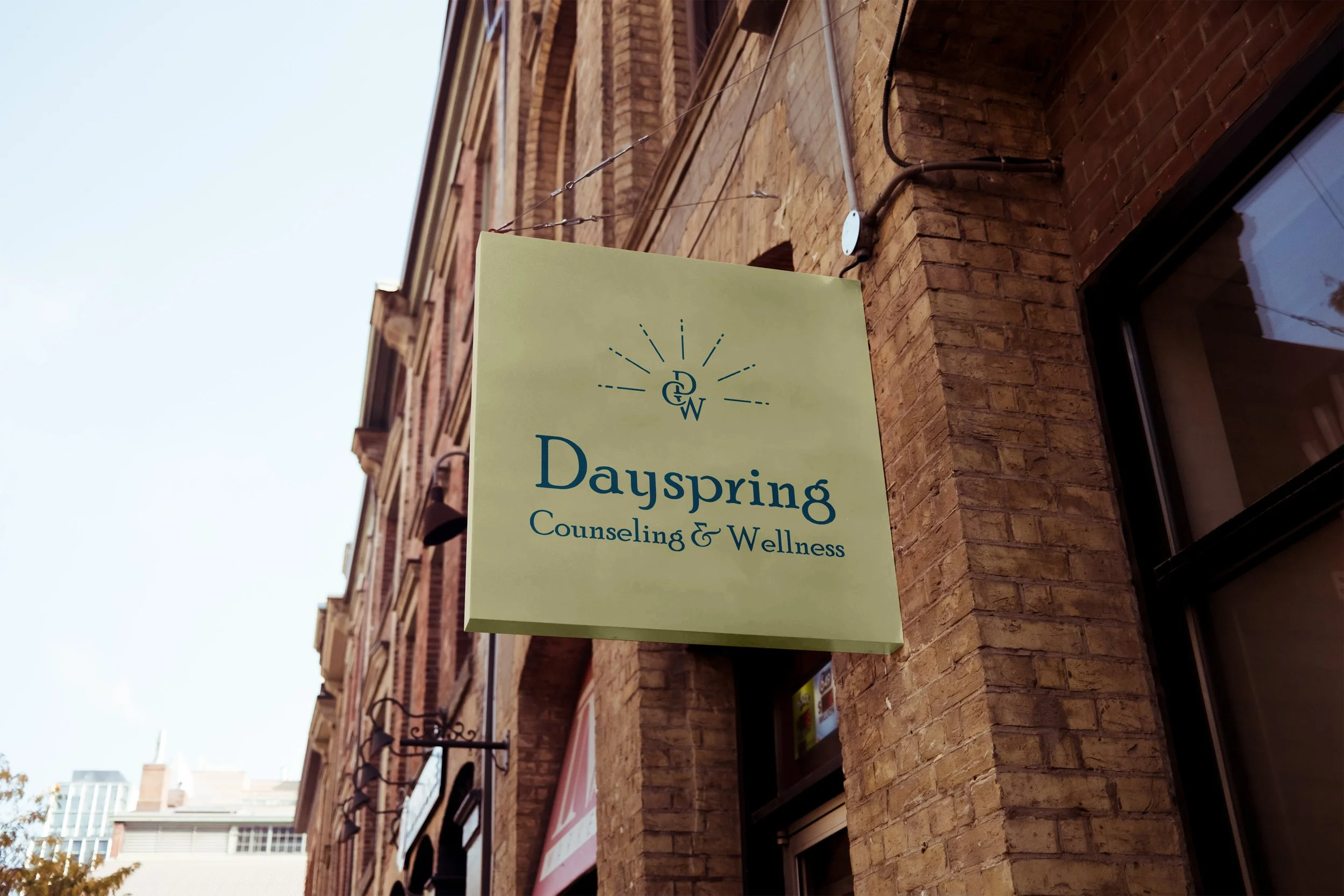

Questions? Answers Coming Right Up!
Curious about investment, our 60-day process, healthcare branding and website design, medical practice marketing, SEO, or whether Saltd is the right fit for your practice?